I still remember walking into a “luxury” villa in Southern Spain last July. The designer had gone all-in on floor-to-ceiling glass and high-tech, whisper-quiet AC units, but the moment I stepped inside, I felt like I was standing in a preheated oven. It was a classic case of modern vanity ignoring the fundamental physics of Mediterranean Thermal Mass Architecture. Instead of using the environment to his advantage, the builder had essentially built a giant greenhouse and expected a machine to fight the sun all day long. It was expensive, inefficient, and frankly, total nonsense.
I’m not here to sell you on expensive gadgets or architectural trends that look good on Instagram but fail in the real world. In this guide, I’m stripping away the jargon to show you how thick walls, stone, and strategic density actually work to keep a home comfortable. You’re going to get the unfiltered truth about how to use thermal mass to regulate your temperature naturally, without breaking your bank or relying on a constant hum of air conditioning.
Table of Contents
Harnessing High Thermal Inertia Materials
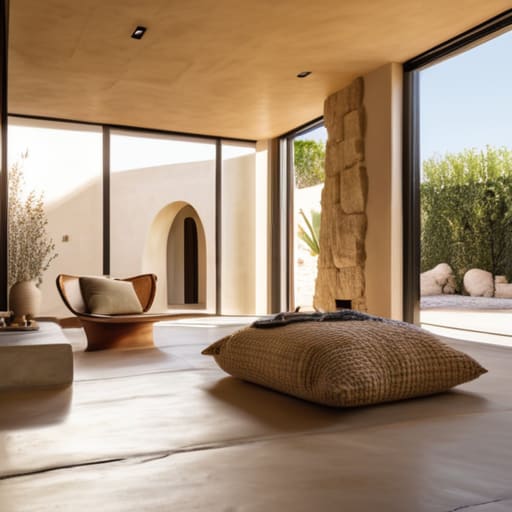
Of course, getting the physics of heat transfer right is only half the battle; you also have to consider how your lifestyle interacts with these temperature shifts. If you find yourself constantly adjusting to the natural rhythm of your home, it might be worth looking into more dynamic living solutions that complement your architectural choices. I’ve found that exploring the different active options available for modern interior layouts can help you bridge the gap between traditional heavy-material cooling and the way we actually move through our spaces today.
When we talk about keeping a home cool without cranking the AC, we have to look at what the walls are actually made of. It’s not just about aesthetics; it’s about physics. Using high thermal inertia materials like heavy stone, brick, or thick layers of adobe acts like a thermal battery for your house. These materials don’t just sit there; they actively absorb the brunt of the midday sun, preventing that heat from immediately bleeding into your living space.
This is where the magic of diurnal temperature swing management comes into play. In these regions, the temperature can plummet once the sun dips below the horizon. Because stone and adobe construction cooling relies on that massive density, the walls slowly release the heat they gathered all afternoon during the cooler night hours. Instead of a house that stays freezing at night and sweltering by noon, you get a steady, manageable climate. It’s a classic example of how vernacular building techniques Mediterranean builders have used for centuries can still beat modern, lightweight construction when it comes to true comfort.
Mastering Diurnal Temperature Swing Management
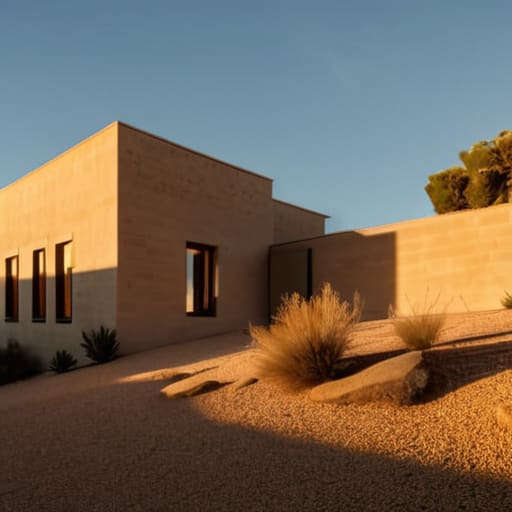
The real magic happens when you stop fighting the sun and start timing it. In these regions, the temperature doesn’t just rise; it swings wildly between a scorching afternoon and a crisp, cool night. This is where diurnal temperature swing management becomes your best friend. Instead of trying to keep a constant temperature—which is an expensive uphill battle—you’re essentially using your home as a giant battery. You want the structure to absorb that intense midday heat, storing it deep within the walls so it doesn’t immediately bake the air inside your living room.
By the time the sun dips below the horizon, the exterior air cools down rapidly, but your walls are still radiating that stored energy. This is the core of passive solar design principles: you aren’t just blocking the heat; you’re delaying it. By carefully calculating the thickness of your walls and the placement of your windows, you can ensure that the heat peak hits your interior just as the outside air begins to chill. It’s a rhythmic, natural cycle that keeps the indoor climate stable without ever flipping a switch.
Five Ways to Make Thermal Mass Actually Work for You
- Don’t just throw heavy materials anywhere; place your stone or brick walls where the afternoon sun hits them directly so they can actually soak up that heat.
- Mind the timing of your ventilation. You need to flush the house with cool night air to “reset” your thermal mass before the sun starts baking everything again.
- Layer your materials wisely by pairing heavy interior elements with lighter, breathable exterior finishes to prevent heat from getting trapped in the wrong places.
- Watch out for “over-massing” in small rooms. If you put too much heavy stone in a tiny space, it can actually turn the room into an oven that refuses to cool down.
- Use strategic shading like pergolas or deep eaves to protect your thermal mass from the midday peak, ensuring it absorbs heat steadily rather than getting overwhelmed.
The Bottom Line for Your Build
Stop fighting the sun and start using it; thick, heavy materials like stone or brick aren’t just aesthetic choices, they are your primary tools for stabilizing indoor temperatures.
Success depends on timing—you have to leverage the natural temperature swing between day and night to let your walls “breathe” heat out when it’s cool.
Thermal mass isn’t a magic fix for a poorly designed house, but when integrated correctly, it slashes your reliance on noisy, expensive AC units.
The Soul of the Stone
“Thermal mass isn’t just about keeping a house cool; it’s about building a structure that breathes with the rhythm of the day, using the very weight of the walls to tame the sun.”
Writer
Bringing the Coolth Home
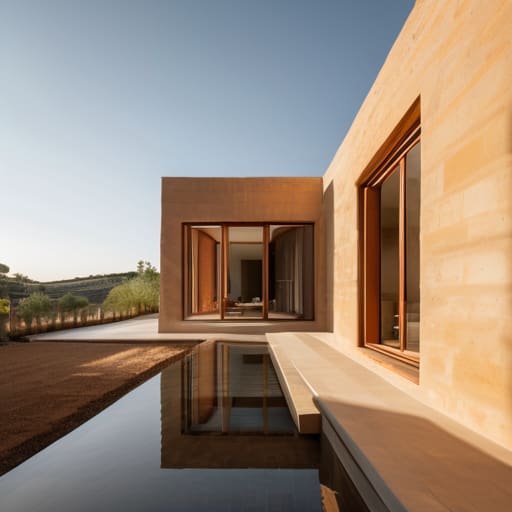
At the end of the day, mastering Mediterranean thermal mass isn’t about following a rigid set of engineering rules; it’s about understanding how your building breathes with the environment. By selecting high-inertia materials like stone or terracotta and strategically timing your temperature swings, you aren’t just building a structure—you’re creating a passive cooling system that works for you. It’s the synergy between heavy materials and smart design that turns a simple house into a sanctuary that stays comfortable without constantly leaning on a noisy, energy-hungry AC unit.
We often get so caught up in modern, high-tech gadgets that we forget the most effective solutions are often the oldest ones. There is something deeply satisfying about using the laws of physics to find comfort, tapping into a way of living that has worked for centuries. When you design with thermal mass, you aren’t just fighting the heat; you are harmonizing with the sun. So, look toward the ancient ways, embrace the weight of the earth, and build something that feels as timeless as the landscape itself.
Frequently Asked Questions
Can I actually use thermal mass in a modern home built with standard wood framing?
Short answer: Yes, absolutely. You don’t need to build a literal stone castle to reap the benefits. Since standard wood framing is basically a hollow shell, you just need to “insert” the mass. Think concrete screed floors, interior brick feature walls, or even heavy clay plaster. The trick is placing these materials where the sun hits them directly, turning your modern frame into a high-performance thermal battery without losing the flexibility of wood.
How do I prevent a house with heavy stone walls from feeling like a cave during a cold winter?
The trick is to stop fighting the stone and start working with it. If your walls feel like ice, you’re likely missing “internal gains.” You need to pair that thermal mass with high-performance glazing to trap solar heat, and then use radiant floor heating to warm the air from the ground up. Think of the stone as a battery: you just need to make sure you’re actually charging it with warmth during the day.
Is there a limit to how much thermal mass is too much for a small-scale residential build?
Absolutely. There’s definitely a “Goldilocks zone” here. If you go overboard in a small space, you run into a massive problem: thermal lag. Instead of stabilizing the temperature, your house becomes a giant battery that refuses to let go of heat. You’ll find yourself trapped in a cycle where the house stays stuffy all night because the walls are still radiating the afternoon sun, making it feel more like a sauna than a sanctuary.
