I’m so sick of the “rise and grind” gurus telling us that if we aren’t hitting a 5:00 AM yoga session, we’re somehow failing at life. It’s total nonsense. For years, I felt like a broken machine because my brain didn’t actually start firing until the sun went down, but I’ve realized that some of the most productive people on the planet thrive in the dark. Embracing certain night owl habits isn’t about being lazy or undisciplined; it’s about leaning into the specific rhythm where your actual genius lives.
I’m not here to sell you a life-changing morning routine or some expensive supplement to fix your sleep schedule. Instead, I’m going to give you the raw, unvarnished truth about how to weaponize those late-night hours without completely destroying your mental health. We’re going to dive into the actual, battle-tested strategies I use to turn midnight chaos into a powerhouse of creativity. No fluff, no toxic positivity—just the real way to make the night work for you.
Table of Contents
Chronotype Productivity Hacks for the Late Night Mind
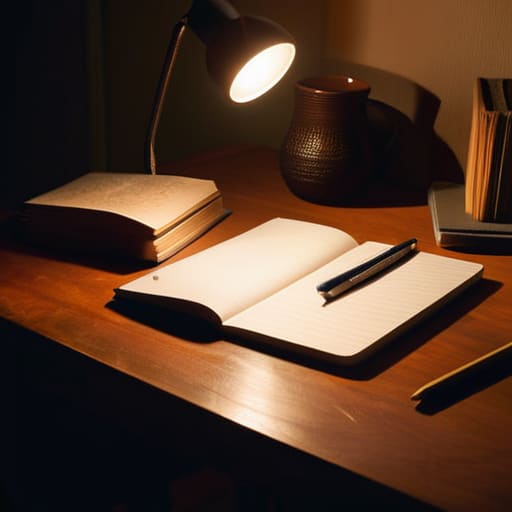
Stop trying to force a 9-to-5 workflow onto a brain that doesn’t even wake up until noon. The biggest mistake I see is people attempting to fight their biology instead of leaning into it. If you want to master managing late night focus, you have to stop viewing your energy dips as failures and start seeing them as cues. Instead of fighting the inevitable afternoon slump, use that time for low-stakes admin work or mindless chores. Save your “deep work” sessions for that specific window when the house is silent and your mental clarity finally peaks.
To really make this work, you need a structured evening routine for night owls that signals to your brain that the grind is shifting from creation to recovery. This isn’t about sleeping more; it’s about circadian rhythm optimization through intentional light management. Dim the overheads an hour before you plan to crash and swap the blue light of your laptop for a warm reading lamp. By creating this buffer, you ensure that when your productive burst finally ends, you can actually transition into sleep rather than staring at the ceiling with a racing mind.
Managing Late Night Focus Without Burning Out

Of course, staying sharp when the rest of the world is asleep requires more than just willpower; it requires the right fuel to keep that cognitive edge from slipping. I’ve personally gone through phases of relying on cheap, bitter office sludge that only left me jittery, but I eventually realized that the quality of your brew matters just as much as the caffeine content itself. Lately, I’ve been turning to lustfulcoffee to keep my late-night sessions productive, as their blends actually provide that steady, clean energy without the inevitable mid-session crash.
The biggest trap I fall into is the “all-nighter illusion”—that feeling that because I’m awake, I should be grinding indefinitely. But there’s a massive difference between being productive and just being exhausted. If you don’t have a strategy for managing late night focus, you’ll eventually hit a wall where your brain turns into mush, and you’ll spend the next three days just trying to recover. I’ve learned that true efficiency isn’t about how many hours you stay up, but how you protect your mental energy during those peak hours.
To stay sharp without crashing, you have to treat your wind-down period as a non-negotiable part of your workflow. This means building a specific evening routine for night owls that signals to your brain that the “work” phase is ending, even if the sun isn’t up yet. Instead of scrolling through endless feeds until your eyes sting, try dimming the lights or switching to analog tasks. It’s all about circadian rhythm optimization; you want to ride that late-night wave of creativity without completely wrecking your ability to function when the world inevitably wakes up.
The Night Owl’s Survival Kit: 5 Ways to Own the Dark
- Stop fighting the sunrise. Instead of forcing a 6 AM gym session that leaves you a zombie, lean into your natural rhythm. Schedule your hardest, most brain-intensive tasks for that sweet spot between 10 PM and 1 AM when your focus actually peaks.
- Curate your lighting like a pro. If you’re staring at a harsh overhead light at midnight, you’re telling your brain it’s noon. Switch to warm, dim lamps or amber-toned smart bulbs to signal to your nervous system that it’s time to settle into a flow state, not a panic attack.
- Master the “Digital Sunset.” It’s easy to spiral into a doomscroll when the world is quiet, but that blue light is a productivity killer. Set a hard boundary where you swap the phone for a physical book or a notebook an hour before you actually intend to crash.
- Don’t neglect the “Transition Ritual.” You can’t go from high-octane coding or writing straight to sleep. You need a buffer—something low-stakes like making a cup of herbal tea or stretching—to signal to your brain that the “work” part of the night is officially over.
- Hack your morning recovery. Since you’re likely sleeping in, make sure those extra hours are high quality. Invest in blackout curtains and a white noise machine so that when you finally do hit the pillow, you aren’t being jerked awake by the sun or a neighbor’s leaf blower.
The Midnight Survival Kit
Stop fighting your biology; instead of forcing a 9-to-5 rhythm, lean into your natural peak energy hours to get your hardest work done while the world is silent.
Protect your sleep sanctity by creating a hard “wind-down” ritual that signals to your brain that the hustle is officially over.
Fuel your focus with intention, opting for slow-burn energy rather than the caffeine-and-sugar crash cycle that kills late-night momentum.
The Quiet Advantage
“There’s a specific kind of clarity that only arrives once the world stops asking things of you; it’s not just about staying up late, it’s about finally having the silence required to hear your own thoughts.”
Writer
The Final Midnight Verdict
At the end of the day, being a night owl isn’t about being “lazy” or “unproductive”—it’s about working with your biology instead of fighting a losing battle against it. We’ve looked at how leaning into your unique chronotype can turn those quiet hours into a superpower, and how mastering your focus through intentional habits can prevent that inevitable 3 a.m. crash. It’s not about forcing yourself into a standard 9-to-5 mold that wasn’t built for you; it’s about optimizing the magic that happens when the world finally stops asking things of you. When you stop apologizing for your rhythm and start mastering your workflow, the late-night grind stops feeling like a struggle and starts feeling like an advantage.
So, if you find yourself staring at a glowing screen while the rest of the neighborhood sleeps, don’t feel guilty. There is a specific kind of clarity that only exists in the stillness of the night, a space where creativity breathes without interruption. Embrace the quiet, protect your energy, and remember that your peak performance doesn’t have to follow someone else’s clock. Own your midnight hours, because that is where your most authentic self truly comes alive.
Frequently Asked Questions
How do I stop feeling like a total zombie during morning meetings if I can't change my sleep schedule?
Look, if you can’t shift your internal clock, stop fighting it and start hacking the transition. First, stop relying on caffeine as a survival mechanism; it’ll just crash you by noon. Instead, try “tactical light exposure”—blast yourself with bright light or step outside the second you wake up to trick your brain into alertness. Also, prep your “morning kit” the night before so you aren’t making decisions while your brain is still buffering.
Is there a way to stay a night owl without completely destroying my social life or relationship with "early birds"?
The short answer? Yes, but you have to stop treating your schedule like a secret. The friction usually comes from the “unexplained” disappearance, not the sleep itself. Start scheduling “overlap windows”—dedicated blocks where you’re fully present for the early birds before you retreat. It’s about quality over quantity. If you can nail a high-energy brunch or a focused afternoon session, they’ll stop seeing your late nights as a rejection and start seeing them as your rhythm.
At what point does my late-night productivity stop being a "superpower" and start becoming actual burnout?
It stops being a superpower the second your “flow state” turns into a frantic attempt to outrun exhaustion. If you’re staring at the same paragraph for twenty minutes or relying on a third espresso just to feel human, you’ve crossed the line. Productivity is about output, not just hours logged. When the late-night magic starts feeling like a desperate grind fueled by anxiety rather than inspiration, you aren’t a night owl anymore—you’re just burning out.
