I’m so sick of seeing those “aesthetic” wellness influencers posting about $80 electrolyte powders and sunrise yoga sessions in sub-zero temperatures. Let’s be real: most of those curated winter wellness routines are nothing more than expensive, performative nonsense that ignores how much it actually sucks to be cold, tired, and unmotivated. If your idea of self-care requires a mountain of gear and a PhD in nutrition just to survive January, you aren’t practicing wellness—you’re just stressing yourself out for the sake of an Instagram feed.
I’m not here to sell you on a lifestyle you can’t afford or a routine that feels like a second job. Instead, I’m going to share the gritty, realistic stuff that actually works when the days get short and the motivation disappears. We’re going to focus on low-effort, high-impact habits that fit into a normal, messy life. This is about finding what actually keeps you sane and steady through the frost, without the fluff or the unrealistic expectations.
Table of Contents
- Combating Seasonal Affective Disorder Through Indoor Mindfulness Practices
- Immune Boosting Winter Nutrition to Fuel Your Inner Fire
- Small Wins: 5 Ways to Stay Human When the Temperature Drops
- The Bottom Line: Making Winter Work for You
- The Heart of the Season
- Finding Your Rhythm in the Cold
- Frequently Asked Questions
Combating Seasonal Affective Disorder Through Indoor Mindfulness Practices
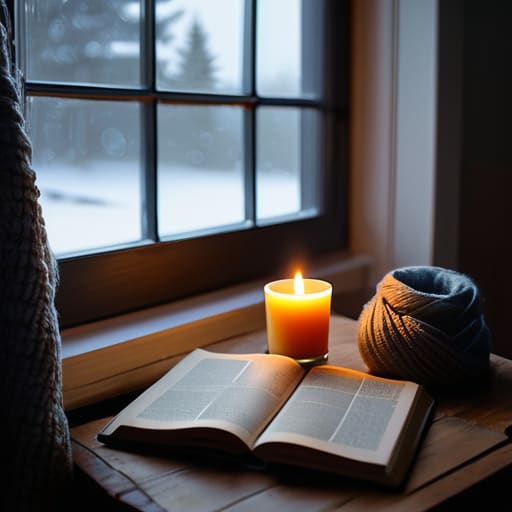
When the days get shorter and the sky turns that permanent shade of battleship gray, it’s easy to feel like your mood is tanking right along with the temperature. For many of us, this isn’t just “the blues”—it’s a real struggle with combating seasonal affective disorder. Since we spend so much more time cooped up inside, your mental environment becomes just as important as your physical one. Instead of scrolling mindlessly through your phone while the wind howls outside, try carving out ten minutes for intentional indoor mindfulness practices.
This doesn’t have to mean sitting in a silent lotus position for an hour. It can be as simple as a guided breathing exercise or even just focusing entirely on the warmth of a cup of tea between your palms. The goal is to ground yourself when the seasonal gloom starts to feel heavy. By creating these small, quiet pockets of presence, you’re essentially building a mental buffer against the winter slump, helping you feel a little more steady even when the sun refuses to show up.
Immune Boosting Winter Nutrition to Fuel Your Inner Fire
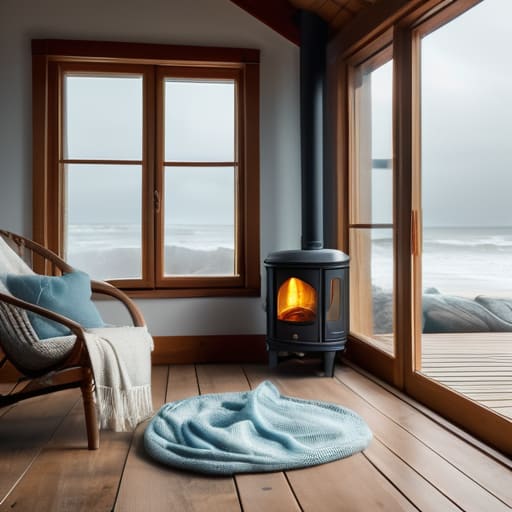
Beyond just what you’re eating or how you’re meditating, sometimes the best thing you can do for your mental clarity is to simply change your scenery. If the walls of your home are starting to feel a little too small, I’ve found that a quick weekend getaway can act like a total system reset for your nervous system. I actually spent a few days at rockawayinn recently, and there is something about being near the water and breathing in that crisp, salty air that does more for my winter mood than any supplement ever could. It’s all about finding those intentional escapes that allow you to truly unplug and recharge before the seasonal slump really sets in.
When the temperature drops, your body naturally craves heavy, comforting foods, but there is a fine line between a cozy stew and a sugar crash. To really thrive, you need to focus on immune boosting winter nutrition that works from the inside out. Think of your meals as fuel for your internal furnace. Instead of reaching for processed snacks that leave you feeling sluggish, lean into root vegetables, fermented foods like kimchi, and plenty of garlic and ginger. These aren’t just kitchen staples; they are your first line of defense against those inevitable seasonal sniffles.
It’s also easy to forget that hydration doesn’t stop just because the air isn’t humid anymore. While you might not feel thirsty like you do in July, your cells are still craving moisture. Incorporating warm liquids—like herbal teas or bone broths—is one of the best winter hydration tips to keep your system flushing toxins effectively. When you pair nutrient-dense eating with consistent warmth, you aren’t just surviving the frost; you’re building a resilient foundation that supports everything from your gut health to your mood.
Small Wins: 5 Ways to Stay Human When the Temperature Drops
- Move your body—and I don’t mean a grueling hour at the gym. If you can’t face a heavy workout in the cold, just do ten minutes of stretching or a quick living room dance session to keep your blood flowing.
- Prioritize “Cozy Productivity.” Instead of forcing yourself to grind through tasks when you’re feeling sluggish, lean into the season. Set up a warm, candle-lit workspace and tackle your to-do list in shorter, focused bursts.
- Don’t ditch your social life just because it’s dark at 4 PM. Even if it’s just a quick FaceTime or a low-key coffee date, staying connected prevents that winter isolation from really sinking in.
- Master the art of the “Digital Sunset.” Since the sun sets so early, it’s easy to spend the whole evening scrolling in the dark. Try swapping your phone for a book an hour before bed to help your brain actually settle down.
- Invest in your sleep environment. Winter is the perfect excuse to lean into heavy blankets and darker rooms, but make sure you’re still getting enough fresh air during the day so you don’t wake up feeling groggy.
The Bottom Line: Making Winter Work for You
Don’t try to overhaul your entire life overnight; start by picking one small habit, like a five-minute morning stretch or adding more ginger to your tea, to build momentum.
Remember that wellness isn’t just about what you eat or how you meditate—it’s about listening to your body when it tells you to slow down and embrace the season’s natural rhythm.
Consistency beats intensity every single time, so focus on routines that actually feel sustainable even when the weather is miserable and you’d rather stay under the covers.
The Heart of the Season
“Winter wellness isn’t about fighting the cold or forcing yourself to be productive when the world is sleeping; it’s about learning how to lean into the stillness without losing your spark.”
Writer
Finding Your Rhythm in the Cold
At the end of the day, building a winter wellness routine isn’t about checking off a dozen impossible tasks or becoming a perfectly disciplined monk. It’s really just about finding those small, intentional ways to protect your peace when the world outside feels heavy and grey. Whether you’re leaning into mindfulness to keep the seasonal blues at bay or fueling your body with the kind of hearty, nutrient-dense foods that actually make you feel alive, every little choice counts. It’s about bridging the gap between the harshness of the season and the warmth you cultivate within yourself.
Don’t feel like you have to overhaul your entire life by Monday morning. Winter is meant for slowing down, not for sprinting through a checklist of self-improvement. Let this season be a time of gentle recalibration rather than a test of willpower. If you can learn to embrace the stillness instead of fighting against it, you’ll find that the colder months aren’t just something to “get through”—they can actually be the most transformative part of your year. Stay cozy, stay nourished, and most importantly, be kind to yourself.
Frequently Asked Questions
How can I keep a consistent workout routine when the weather is miserable and I just want to stay under the covers?
Look, I get it. When it’s gray and freezing, that duvet feels like a magnet. The trick isn’t finding massive motivation—it’s lowering the barrier to entry. Stop aiming for hour-long gym sessions and start with “micro-wins.” Tell yourself you’ll just do ten minutes of yoga or a quick bodyweight circuit in your living room. Once you’re moving, the hardest part is over. If you can’t face the cold, embrace the cozy indoor burn.
Are there specific supplements I should look into, or is it better to stick strictly to seasonal foods for my immune system?
Look, if you can get it from your plate, do it. Seasonal veggies and fermented foods are gold for your gut health. But let’s be real—between work stress and shorter days, sometimes food isn’t enough. If you’re feeling the slump, a high-quality Vitamin D supplement is usually a game-changer during these months. Just don’t go overboard with a cabinet full of pills; focus on the basics and listen to your body.
What are some realistic ways to improve my sleep quality when the days are shorter and everything feels a bit more sluggish?
When the sun dips early, your internal clock can get totally thrown off. To fix that sluggish feeling, try leaning into the darkness. Dim your lights an hour before bed to signal to your brain that it’s actually nighttime, and ditch the scrolling—that blue light is a sleep killer. Also, don’t sleep in too late to “compensate”; keeping a consistent wake-up time helps stabilize your rhythm so you don’t feel like a zombie all day.
