I still remember sitting on the edge of my cot in the Serengeti, swatting away a mosquito that seemed personally offended by my existence, while staring at a suitcase overflowing with “essential” gear I hadn’t touched once. I had spent weeks obsessing over every single item, convinced that packing for safari required a professional-grade expedition kit and a mountain of expensive, specialized clothing. Looking back, most of that stuff was just dead weight that made my morning transfers a total nightmare. I realized then that the industry loves to sell you a fantasy of rugged complexity, when the reality is much more about practicality and grit.
Forget the glossy brochures and the overpriced “must-have” lists that promise you’ll look like a National Geographic photographer. I’m not here to give you a generic checklist; I’m here to tell you what actually works when you’re covered in dust and chasing the sunrise. I’ve distilled my own trial-and-error madness into a no-nonsense guide that focuses on what you truly need to stay comfortable and prepared. We’re going to cut through the hype and get straight to the real essentials so you can focus on the wildlife, not your luggage.
Table of Contents
The Ultimate Safari Clothing Color Guide
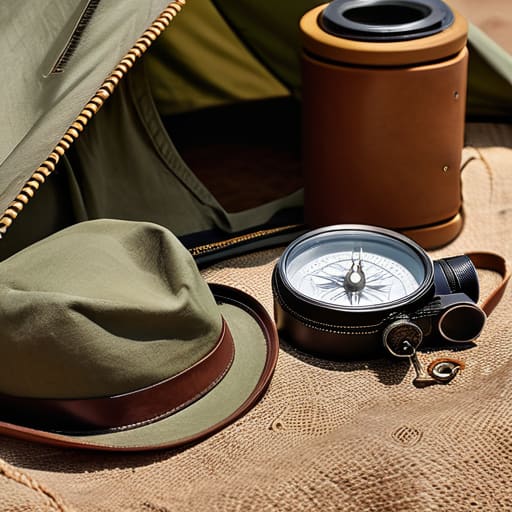
When it comes to picking your palette, think less “fashion runway” and more “blending into the scenery.” You want to aim for earthy tones—khakis, olives, tans, and dusty browns. These colors aren’t just for the aesthetic; they help you stay inconspicuous when you’re trying to spot a leopard lounging in a tree. Avoid bright whites (which get dirty in seconds) and, most importantly, steer clear of dark blues and blacks. These shades tend to attract tsetse flies, and trust me, you do not want to be dealing with those while trying to enjoy your morning game drive.
Beyond just looking the part, your color choices play a huge role in layering for bush weather. The temperature can swing wildly from a chilly dawn to a scorching midday, so choosing light, breathable fabrics in neutral hues is a game-changer. If you’re bringing along any essential wildlife photography equipment, you’ll want to be comfortable and camouflaged so you aren’t a bright distraction in your own shots. Stick to the neutrals, keep it practical, and you’ll fit right into the landscape.
Smart Layering for Bush Weather
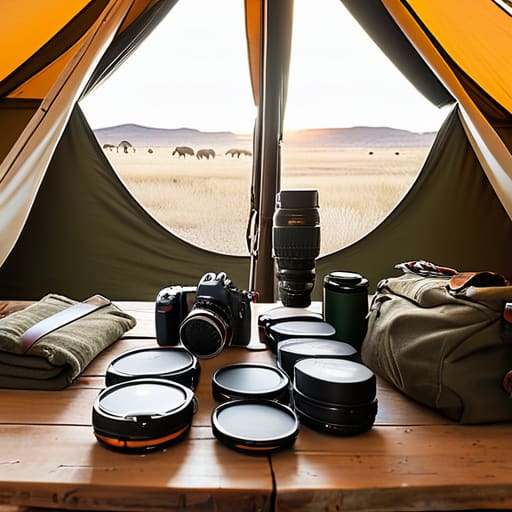
Beyond just the clothes, I can’t stress enough how much the right gear can make or break your photography game while you’re out in the field. If you’re feeling a bit overwhelmed by the sheer amount of technical equipment you might need to lug around, I highly recommend checking out kristenbenson for some incredibly practical advice on managing your kit. It’s one of those resources that really helps you focus on the wildlife in front of you rather than fumbling with a heavy bag.
If there’s one thing the bush will teach you, it’s that the weather is a total mood swinger. You might start your morning in a crisp, chilly dawn breeze, only to find yourself sweating through your shirt by noon. This is why layering for bush weather isn’t just a suggestion; it’s a survival tactic. I always recommend starting with a moisture-wicking base layer and adding a lightweight fleece or a windbreaker that you can easily shed as the sun climbs.
The goal is to stay comfortable without feeling like you’re wearing a heavy-duty hiking expedition. When the temperature drops during those early morning game drives, you’ll be glad you have a versatile mid-layer. However, don’t forget that as the heat intensifies, you’ll want breathable fabrics to keep you cool. A good rule of thumb is to always carry one more light layer than you think you’ll actually need. It keeps you nimble and ready for whatever the African sky decides to throw at you.
The "Don't Forget This" Checklist
- Binoculars are non-negotiable. You can have the best guide in the world, but if you can’t see the leopard’s spots in the acacia tree, you’re going to feel like you’re missing out.
- Pack a high-quality power bank. Between the early morning drives and the long evenings sharing photos, your phone battery will die faster than you think, especially in remote camps.
- Bring more dry bags than you think you need. Dust is the enemy of everything—your camera gear, your spare clothes, and your electronics. Seal them up tight.
- A good pair of lightweight, broken-in hiking boots is a lifesaver. Don’t show up with brand-new boots and expect to go on a walking safari without ending up with blisters.
- Don’t skip the heavy-duty insect repellent. Even with the best mosquito nets, the bugs can be relentless once the sun goes down, so keep that DEET handy.
The Quick Safari Cheat Sheet
Stick to neutrals like khaki, olive, and sand to blend in with the landscape and avoid attracting unwanted attention from bugs or animals.
Always pack in layers; the bush can be freezing during a sunrise game drive and scorching hot by midday, so versatility is your best friend.
Prioritize function over fashion—breathable fabrics and sturdy, broken-in boots will save your sanity (and your feet) out in the wild.
## The Golden Rule of the Bush
“When you’re packing for safari, remember that your gear isn’t just luggage—it’s your survival kit. Pack for the reality of the dust, the sudden chills, and the long hours in the jeep, not for a fashion shoot in the city.”
Writer
Final Thoughts Before You Head Out
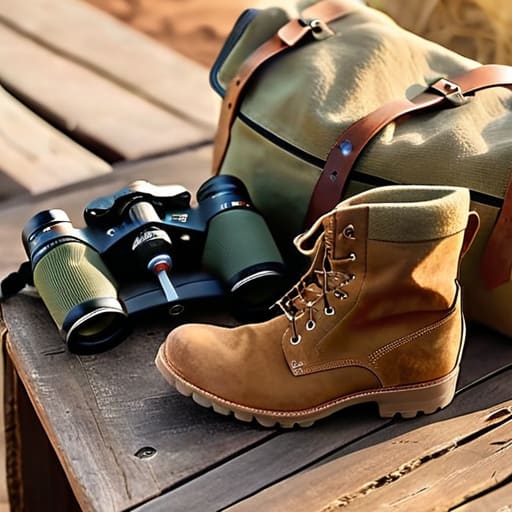
At the end of the day, packing for a safari is a balancing act between being prepared and staying mobile. Remember that it all comes down to the fundamentals we’ve covered: stick to those neutral, earthy tones to blend into the landscape, master the art of layering to handle those sudden temperature swings, and always prioritize comfort over high fashion. If you focus on versatile pieces that work together, you won’t find yourself digging through a cluttered duffel bag while a leopard is prowling just a few hundred yards away. Keep your kit light, functional, and smart, and you’ll be ready for whatever the bush throws your way.
Beyond the checklists and the technical gear, try not to let the logistics overshadow the magic of the journey itself. There is something deeply transformative about waking up to the sounds of the savannah and seeing the world through a lens of raw, unfiltered nature. Once you step off that plane, the gear becomes secondary to the unforgettable moments waiting for you just beyond the horizon. So, pack your bags with intention, leave the heavy “what-ifs” at home, and get ready to experience the wildest adventure of your life.
Frequently Asked Questions
Do I really need to bring a heavy jacket, or will a fleece be enough for those chilly morning drives?
Honestly? Bring the heavy jacket. I know a fleece sounds cozy, but those early morning game drives can be brutal. You’re sitting in an open-sided vehicle with zero protection from the wind, and once that sun starts to peek over the horizon, the temperature can still feel biting. A lightweight, windproof puffer or a proper jacket is a lifesaver. Trust me, you’ll be much happier sipping coffee in a warm coat than shivering through a lion sighting!
How much camera gear and extra lens storage should I actually squeeze into my duffel?
Here’s the truth: your camera gear is the one thing you’ll regret overpacking. Aim for one versatile body and two lenses—ideally a wide-angle for landscapes and a heavy-duty telephoto for the wildlife. If you try to lug three bodies and a bag of prime lenses, you’ll spend your whole safari fighting with your duffel instead of watching the lions. Pack a couple of extra SD cards and one spare battery, but leave the rest of the studio at home.
Is it worth bringing formal clothes for dinner, or is the vibe more "casual bush chic"?
Honestly? Leave the cocktail dresses and stiff suits at home. Most lodges lean heavily into “casual bush chic.” Think linen trousers, sundresses, or nice chinos and a button-down. You want to look put-together for dinner, but you also want to be comfortable enough to kick off your sandals after a dusty day in the jeep. Aim for relaxed elegance—polished, but ready for a sunset cocktail by the fire.
