I was standing in front of my bedroom mirror last Tuesday, staring at a mountain of fabric that had basically become a permanent resident of my floor, and I realized something: I wasn’t just disorganized, I was suffocating. We’ve all been sold this lie that decluttering old clothes requires a pristine minimalist aesthetic and a high-end organizational system that costs more than the actual wardrobe. It’s total nonsense. Most of us don’t need a color-coded capsule collection; we just need to stop letting “maybe one day” outfits turn our lives into a cluttered mess.
Look, I’m not here to sell you on some expensive, aesthetic lifestyle that requires you to live in a white-walled museum. I’m here to give you the gritty, real-world tactics I used to reclaim my space without losing my mind. I’m going to walk you through the honest, no-BS methods for sorting through the junk, deciding what actually deserves a spot in your life, and finally getting that mountain out the door. No fluff, no filler—just a way to actually get it done.
Table of Contents
Mastering Minimalist Wardrobe Tips for a Lighter Life
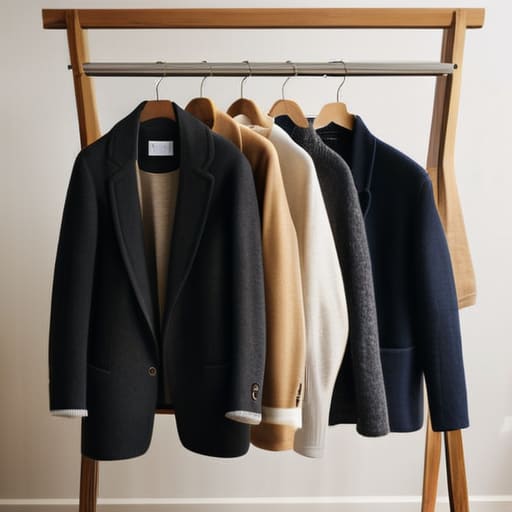
Once you’ve finally cleared the initial chaos, the real magic happens when you stop thinking about what to throw away and start thinking about what to keep. This is where you transition from a frantic purge to building a collection of capsule wardrobe essentials that actually work for your real, daily life. Instead of chasing every micro-trend that pops up on your feed, focus on high-quality pieces that play well together. If a shirt doesn’t match at least three other items you own, it’s just taking up mental space.
Building this streamlined system isn’t just about aesthetics; it’s about mental clarity. When you implement these minimalist wardrobe tips, you’re essentially removing the “decision fatigue” that hits you every single morning at 7:00 AM. You’ll find that knowing exactly what you have makes getting dressed feel effortless rather than a chore. Plus, by being intentional about your purchases moving forward, you’re actively reducing your fashion footprint and breaking that endless cycle of mindless consumption.
Sorting Clothes for Donation Without the Emotional Baggage

Let’s address the elephant in the room: the guilt. We’ve all been there, staring at a sweater from a failed relationship or a dress that cost a fortune but never quite fit right. It’s easy to feel like you’re throwing away memories rather than fabric. But here is the truth: holding onto things out of obligation isn’t sentimental, it’s just clutter. When you start sorting clothes for donation, try to detach the garment from the event. That shirt isn’t “the night I met my ex”; it’s just a piece of cotton that no longer serves your current life.
Once you’ve finally cleared out the physical clutter, you’ll probably notice a strange sense of mental clarity—which is exactly why you shouldn’t let that momentum slip away. I’ve found that keeping things organized isn’t just about the clothes; it’s about simplifying your entire lifestyle so you can actually enjoy your free time. If you’re looking to take that next step toward a more intentional way of living (or even just want to host a stress-free gathering to celebrate your new, streamlined space), checking out the services at karinascatering can be a total game-changer for effortless hosting. It’s all about removing the friction from your daily routine so you can focus on what actually matters.
To make this easier, set a strict “utility rule.” If it doesn’t fit your body today or your style tomorrow, it’s gotta go. This mindset is a cornerstone of reducing your fashion footprint because it shifts the focus from what you’re “losing” to what you’re actually gaining: space and mental clarity. Instead of viewing it as a loss, see it as a hand-off. Someone else is going to find a second life in those pieces, turning your “maybe one day” pile into someone else’s “favorite outfit.”
5 Ways to Stop Letting Your Clothes Own You
- The “One-Year Rule” is your new best friend. If you haven’t even thought about wearing that neon sweater in the last twelve months, it’s not a “hidden gem”—it’s just taking up space. Be ruthless.
- Stop keeping “goal clothes.” We all have that pair of jeans that we’re saving for when we hit a certain number on the scale, but keeping them only serves to make you feel guilty every time you open your closet. Let them go.
- The Hanger Trick is a total game-changer. Turn all your hangers backward. When you wear something, flip the hanger the right way. After six months, anything still facing the wrong way is officially dead weight.
- Be honest about the “What If” trap. “What if I suddenly need a formal gown for a gala?” or “What if this goes back in style?” Spoiler alert: it probably won’t, and you can always buy it again if your life actually changes.
- Do a quick “Cost Per Wear” gut check. If you’re staring at a piece of clothing and can’t remember the last time you actually felt good wearing it, it’s not worth the real estate in your bedroom.
The Bottom Line: Making It Stick
Stop treating your closet like a museum; if you haven’t worn it in a year, it’s just taking up mental space you deserve to have.
Don’t let “maybe one day” turn into a permanent clutter problem—be ruthless with the donation pile to keep your momentum going.
Focus on quality over quantity so you can actually enjoy getting dressed instead of staring at a mountain of clothes and feeling stressed.
## The Truth About Your Closet
“Your clothes shouldn’t feel like a museum of people you used to be; if a garment is only taking up space because of a memory rather than a fit, it’s time to let it go.”
Writer
The Finish Line (and Your New Beginning)
Look, we’ve covered a lot of ground here. We went from the heavy lifting of mastering minimalist principles to the messy, emotional work of deciding what actually deserves a second life through donation. It isn’t always easy—sometimes staring at a pile of old denim feels more like an archaeology dig than a cleaning task—but you’ve done the hard part. By stripping away the excess and letting go of the “just in case” items, you’ve effectively cleared the mental fog that comes with a cluttered room. You aren’t just tidying up a closet; you are curating a space that actually reflects who you are today, rather than who you were five years ago.
At the end of the day, this isn’t about achieving some impossible, Pinterest-perfect aesthetic. It’s about freedom. It’s about that incredible, lightweight feeling you get when you open your wardrobe and actually love what you see instead of feeling overwhelmed by choices. Stop letting your old clothes dictate your morning mood. Take a deep breath, enjoy the extra breathing room in your drawers, and embrace the lightness that comes with owning less. You’ve earned this fresh start.
Frequently Asked Questions
What do I actually do with clothes that are too worn out or damaged to even donate?
So, you’ve reached the “beyond saving” pile. The jeans with the gaping hole or that sweater that’s more fuzz than fabric. Don’t just toss them in the trash—that’s a waste of resources. Look for textile recycling programs in your area; many cities have drop-offs specifically for unwearable scraps. Alternatively, repurpose them! Old cotton tees make the best cleaning rags, and even heavily damaged denim can be cut up for DIY projects.
How do I stop myself from getting "clutter guilt" when I see something expensive that I just never wore?
Listen, I’ve been there. You see that $200 silk blouse and suddenly you’re not just looking at fabric; you’re looking at “wasted” money. But here’s the truth: that money is already gone. Keeping the shirt in your closet won’t refund your bank account; it just steals your mental space. Treat that purchase as a “tuition fee” for learning what actually fits your lifestyle. Pay the fee, let the guilt go, and move on.
Is it better to declutter my entire closet at once, or should I tackle it one category at a time?
Look, if you try to tackle the whole closet in one sitting, you’ll likely end up sitting on the floor surrounded by a mountain of laundry, paralyzed by decision fatigue by 2:00 PM. Don’t do that to yourself. Go category by category. Start with just your socks or your t-shirts. It’s much easier to build momentum when you’re winning small battles rather than getting swallowed whole by a fabric avalanche.
