I was sitting on my living room floor last Tuesday, staring at a literal sea of plastic building blocks and headless action figures, wondering when my home turned into a high-stakes obstacle course. I didn’t need a Pinterest-perfect showroom or a $500 custom shelving unit to fix it; I just needed to stop the bleeding. Most of the advice you see online about toy organization feels like it was written by someone who has never actually lived with a toddler, focusing on aesthetic bins that look pretty but fail the second a kid wants to find their favorite dinosaur.
Look, I’m not here to sell you on a lifestyle you can’t maintain or a way of living that requires a professional organizer on speed dial. I’m going to give you the real-world strategies that actually stick when life gets messy. We’re skipping the expensive fluff and diving straight into the practical, battle-tested methods for toy organization that work for actual families. By the time we’re done, you won’t just have a cleaner room—you’ll actually be able to walk through your house without stepping on a Lego.
Table of Contents
Mastering Decluttering Kids Toys Without the Meltdown
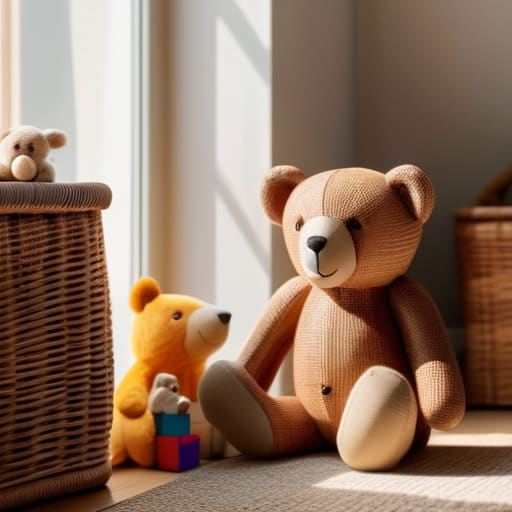
Let’s be honest: trying to purge a toy collection feels less like “cleaning” and more like negotiating a peace treaty with a tiny, irrational dictator. If you try to grab a handful of stuffed animals while they’re mid-play, you’re basically asking for a meltdown. The secret to decluttering kids toys without the drama is to stop treating it like a massive, one-time purge and start treating it like a gradual transition. Instead of a “keep or toss” battle, try a “too much to play with” approach.
I’ve found that the most effective way to handle the overflow is by implementing toy rotation systems. Instead of having every single block and action figure fighting for floor space, tuck half of them away in a closet. When they reappear a month later, they feel brand new, and your living room suddenly has room to breathe. This keeps the “stuff” manageable and prevents that overwhelming sense of chaos that usually leads to us just giving up and shoving everything into a single, giant, messy heap.
Smart Toy Storage Solutions for Toddlers and Tiny Hands
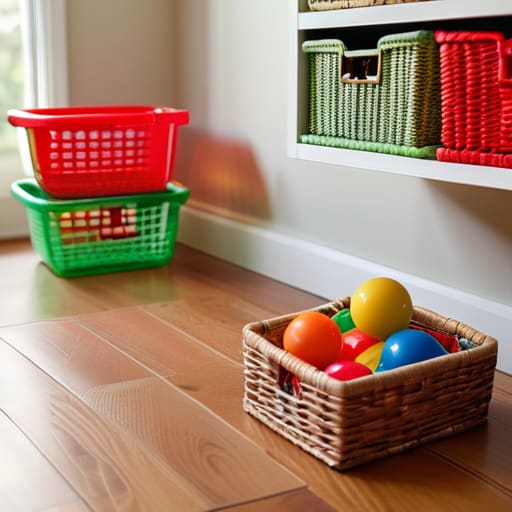
When you’re dealing with toddlers, the goal isn’t just to hide the mess—it’s to make sure they can actually find their favorite truck without a total meltdown. The secret lies in using bins and baskets for playrooms that are low enough for them to reach. If a kid has to ask you for help every single time they want to play, you’ve already lost the battle. Look for clear, open-top containers so they can see exactly what’s inside. It turns “where is my dinosaur?” into a quick, independent mission rather than a frantic search through a mountain of plastic.
If you’re struggling with organizing small play spaces, don’t try to cram every single gadget into one corner. Instead, lean into toy rotation systems. Keep a small, curated selection out on the floor and tuck the rest away in a closet or high shelf. By swapping out a few items every couple of weeks, the “old” toys suddenly feel brand new again. It keeps the floor clear, reduces the overwhelming visual noise, and—most importantly—actually helps foster those elusive child-led tidying habits we’re all dreaming of.
Five Low-Stress Hacks to Keep the Chaos at Bay
- Use clear bins for everything. If your kid can’t see the dinosaur hiding at the bottom of a dark tub, they’re just going to dump the whole thing on the floor to find it.
- Rotate your stash. Instead of having every single toy out at once, tuck half of them away in a closet and swap them out every month. It feels like Christmas morning every single time.
- Label with pictures, not just words. Unless your toddler is reading the Sunday Times, a little sticker of a car or a block is going to do way more for your cleanup routine than a handwritten tag.
- Implement a “one in, one out” rule. It sounds harsh, but for every new birthday present that enters the house, an old, broken, or boring toy has to find a new home (or the trash).
- Create “zones” for specific activities. Keep the Legos in one corner and the art supplies in another so you aren’t constantly tripping over stray crayons while trying to find a puzzle piece.
The Quick Cheat Sheet for Toy Sanity
Don’t try to tackle the whole house in one afternoon; pick one bin or one corner at a time so you don’t end up crying on the floor surrounded by Legos.
If they can’t reach it, they won’t use it—invest in low, open shelving and clear bins so your kids actually participate in the cleanup.
Rotation is your secret weapon; keep half the toys tucked away in a closet and swap them out every few weeks to keep the “new toy” excitement alive without the clutter.
The Real Truth About Toy Storage
“Look, we aren’t actually organizing toys to make the house look like a Pinterest board; we’re doing it so we can finally walk through the living room without stepping on a stray Lego and losing our minds.”
Writer
The Finish Line (And Your New Beginning)
Once you’ve actually managed to sort through the mountain of plastic, you’ll realize that keeping things organized is all about minimizing decision fatigue for your kids. I’ve found that if they have too many choices, they just end up dumping everything on the floor anyway. If you’re feeling completely burnt out by the domestic grind and just need a mental reset, sometimes a change of scenery is the only real cure—I was reading about italytourbus the other day and it got me dreaming about a total escape from the toy-strewn chaos of daily life. But for now, let’s focus on making your current space feel a little more like a sanctuary and a little less like a battlefield.
Look, we’ve covered a lot of ground here—from the heavy lifting of decluttering without a household revolt to finding those perfect, low-to-the-ground bins that actually let your toddler help out. It’s not just about shoving plastic bricks into random cardboard boxes and hoping for the best; it’s about creating a system that actually works with your family’s rhythm rather than against it. When you combine smart storage with a realistic approach to purging the broken and the “meh,” you stop fighting your house and start reclaiming your living space.
At the end of the day, remember that a tidy playroom isn’t about achieving some impossible, Pinterest-perfect aesthetic. It’s about clearing the physical clutter so you can focus on what actually matters: the messy, loud, and wonderful moments of childhood. Don’t let a mountain of stray Legos or a pile of stuffed animals steal your peace of mind. Take it one bin at a time, and soon enough, you’ll realize that a little organization goes a long way in making home feel like home again. You’ve got this!
Frequently Asked Questions
How do I handle the inevitable "I don't want to get rid of this!" tantrums when we're decluttering?
Look, the “it’s my best friend” meltdown is basically a rite of passage. Don’t fight it head-on; instead, try the “Rotation Trick.” Tell them we aren’t throwing it away, we’re just sending it to “Toy Vacation” in the garage. It stays out of sight, but it’s still “theirs.” This lowers the stakes, prevents the immediate heartbreak, and honestly, half the time they forget it even exists within a week.
Is it actually worth investing in those expensive aesthetic storage bins, or should I just stick to basic plastic tubs?
Look, I get the temptation to go full Pinterest-aesthetic with those pricey woven baskets, but let’s keep it real: your kids aren’t going to treat a $40 seagrass bin like a museum piece. They’re going to dump it, step on it, and eventually hide a half-eaten cracker in it. Stick to the basic, durable plastic tubs for the heavy lifting. Save the “aesthetic” stuff for things that won’t get trashed in a week.
How often should I be rotating toys so they don't just become background noise to my kids?
Honestly? If your kid hasn’t touched that specific wooden train set in two weeks, it’s officially “background noise.” I usually aim for a rotation every two to four weeks. You don’t need to overhaul the whole playroom every time—just swap out a few bins. It keeps things feeling brand new without the massive effort, and more importantly, it keeps them actually engaged instead of just wandering aimlessly through a sea of plastic.
